




Immigration Laws Impede Labor

Growers across the nation are starting to feel the constraints of an inadequate labor supply more acutely.
Bill Landreth of Berries by Bill Inc has worked to expand, but is feeling the limitations of a meager labor supply. He bought a second tractor, sold more melons, sweet corn and strawberries and grew his acreage to 200. After that, he runs out of workers.
“We could do more, but I’m not sure we could harvest more because of the labor,” Landreth said.
Landreth and other farmers in Arkansas say they would like to take advantage of the push by advocates such first lady Michele Obama and health professionals to get Americans to eat more fruits and vegetables. Crops that take more workers to plant and harvest, as reported by Bloomberg.
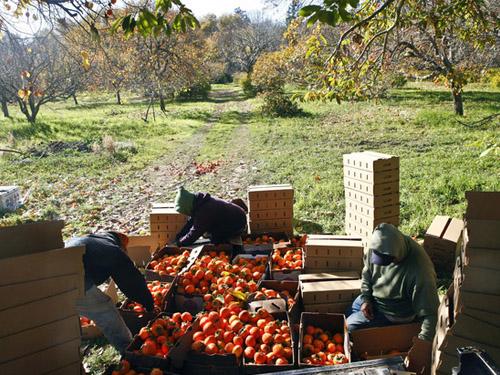
The current H-2A visa program adds costs for hand-picked crops, by requiring employers to pay for transport and housing and to advertise job openings. Farm-lobby groups including the American Farm Bureau Federation say cumbersome regulations make it difficult for fresh-produce growers to meet their needs for field workers.
The proposed House plan would make 500,000 visas available a year and would drop housing and transport requirements, which immediately drew objections from farmworkers who said such a plan would depress wages and leave employees without adequate protections. While the Senate plan provides a path to citizenship, the House would not.
Not all are in favor, however. Any benefit from a more readily available pool of farm workers is overshadowed by the burdens on local schools and health-care systems from an influx of less-educated workers, said Steven Camarota, director of research for the Center for Immigration Studies. Further, the need for more U.S.-grown fresh produce is dubious, he said.
Landreth harvested his first strawberries in 2000. Last year he made $640,000 on 150 acres, almost seven times what he could make growing soybeans on the same land, according to USDA data. About a quarter of his revenue pays for labor. While he’d like to add more acres for grow fresh produce, oilseeds take less work to harvest.
The H-2A rules are inflexible, making it harder to get immigrant workers to the state, and the time to file an application and wait for approval may not match a farmer’s needs, he said. A late planting caused by cold, wet weather -- similar to this year -- leaves workers without little to do, adding to costs, he said.
“If we could get guys when we need them, that would make a big difference,” Landreth said.